Reegelen

Jan 18, 2024

Gambling Regulation for Legal Professions: Myths and Realities | 8FORTUNA

Discover the regulations on casino games for notaries in France and Switzerland, where there are no specific prohibitions, and examine the impact of AIs like ChatGPT on the dissemination of information.

Gambling Regulation for Legal Professions: Myths and Realities | 8FORTUNA

Legislative and Regulatory Context

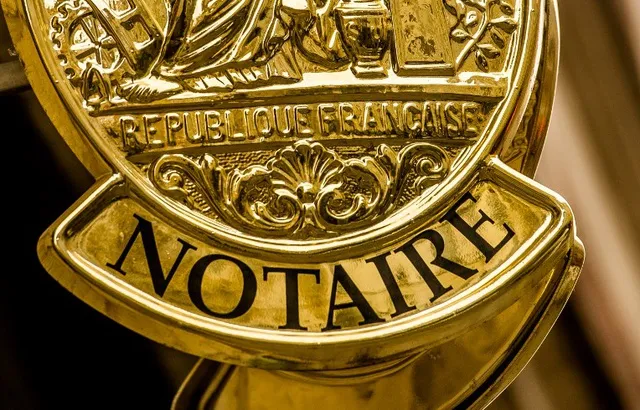
In many countries, including France and Switzerland, there is no specific legislation prohibiting notaries and other legal professions from participating in casino games, which is not the case for Belgium where a law actually exists. This lack of restriction may seem surprising given the sensitive and ethically charged nature of their professions, but it can be explained by several historical, cultural, and regulatory factors.

The Situation in France

In France, legal professions such as notaries, lawyers, and magistrates are governed by strict codes of ethics that require them to act with integrity and impartiality. However, these codes do not specify a direct ban concerning gambling activities. The absence of such specific restrictions could be interpreted as a recognition of professionals' ability to maintain their integrity without requiring explicit regulation regarding gambling.

The Situation in Switzerland

Similarly, in Switzerland, there is no law that specifically prohibits notaries from playing at the casino. Like in France, Swiss notaries are required to adhere to principles of probity and loyalty in their professional practice, but their personal activities, including gambling, remain their own responsibility as long as they do not undermine their profession.

Ethical and Cultural Considerations

The decision not to impose formal prohibitions may also be influenced by cultural considerations. In many European contexts, playing at the casino is seen as an acceptable leisure activity for responsible adults. The regulatory approach tends to favour individual responsibility rather than categorical bans, trusting professionals to navigate these ethical norms.

Role of the Media and Misinformation about a Pseudo-Ban on Playing at the Casino

Many articles available on the Internet may not be based on solid legal foundations and could be the product of generalisations or incorrect extrapolations. This is often exacerbated by AI models that, while useful, operate largely by approximation and aggregation of large datasets, without the capability to verify the legal accuracy of individual facts.

Influence of Modern Technologies and AIs like ChatGPT

It is also interesting to consider the impact of modern technologies and artificial intelligence on the dissemination of information regarding these issues. Platforms like ChatGPT, which generate content based on extensive training on publicly available data, can sometimes propagate information that is not legally verified. This can create a misconception that certain professions are subject to restrictions that they are not actually under.
In our case, regarding the belief in a prohibition on notaries in France playing at the casino, we can assume that this fake news originates from multiple reprises of articles without verification, even to the point of misleading content generators like ChatGPT, which only use web content for training, a very poor situation for writers who need assistance from not-so-intelligent artificial intelligence.

The Final Word

The variability of regulations concerning gambling activities for notaries and other legal professions illustrates the diversity of legal and cultural approaches across different countries. While France and Switzerland do not impose explicit restrictions on these professions, they rely on principles of ethics and personal responsibility. This strategy suggests trust in the ability of professionals to manage their behaviour outside the professional framework without the intervention of prohibitive rules.

The spread of inaccurate or unverified information, particularly through AI tools like ChatGPT, highlights the importance of fact-checking and consulting primary legal sources. For readers and users of information online, it becomes crucial to adopt a critical approach, questioning and verifying the accuracy of data before accepting it as true. This approach is essential to ensure that public perceptions remain aligned with legal and professional reality.


Legislative and Regulatory Context

In many countries, including France and Switzerland, there is no specific legislation prohibiting notaries and other legal professions from participating in casino games, which is not the case for Belgium where a law actually exists. This lack of restriction may seem surprising given the sensitive and ethically charged nature of their professions, but it can be explained by several historical, cultural, and regulatory factors.

The Situation in France

In France, legal professions such as notaries, lawyers, and magistrates are governed by strict codes of ethics that require them to act with integrity and impartiality. However, these codes do not specify a direct ban concerning gambling activities. The absence of such specific restrictions could be interpreted as a recognition of professionals' ability to maintain their integrity without requiring explicit regulation regarding gambling.

The Situation in Switzerland

Similarly, in Switzerland, there is no law that specifically prohibits notaries from playing at the casino. Like in France, Swiss notaries are required to adhere to principles of probity and loyalty in their professional practice, but their personal activities, including gambling, remain their own responsibility as long as they do not undermine their profession.

Ethical and Cultural Considerations

The decision not to impose formal prohibitions may also be influenced by cultural considerations. In many European contexts, playing at the casino is seen as an acceptable leisure activity for responsible adults. The regulatory approach tends to favour individual responsibility rather than categorical bans, trusting professionals to navigate these ethical norms.

Role of the Media and Misinformation about a Pseudo-Ban on Playing at the Casino

Many articles available on the Internet may not be based on solid legal foundations and could be the product of generalisations or incorrect extrapolations. This is often exacerbated by AI models that, while useful, operate largely by approximation and aggregation of large datasets, without the capability to verify the legal accuracy of individual facts.

Influence of Modern Technologies and AIs like ChatGPT

It is also interesting to consider the impact of modern technologies and artificial intelligence on the dissemination of information regarding these issues. Platforms like ChatGPT, which generate content based on extensive training on publicly available data, can sometimes propagate information that is not legally verified. This can create a misconception that certain professions are subject to restrictions that they are not actually under.
In our case, regarding the belief in a prohibition on notaries in France playing at the casino, we can assume that this fake news originates from multiple reprises of articles without verification, even to the point of misleading content generators like ChatGPT, which only use web content for training, a very poor situation for writers who need assistance from not-so-intelligent artificial intelligence.

The Final Word

The variability of regulations concerning gambling activities for notaries and other legal professions illustrates the diversity of legal and cultural approaches across different countries. While France and Switzerland do not impose explicit restrictions on these professions, they rely on principles of ethics and personal responsibility. This strategy suggests trust in the ability of professionals to manage their behaviour outside the professional framework without the intervention of prohibitive rules.

The spread of inaccurate or unverified information, particularly through AI tools like ChatGPT, highlights the importance of fact-checking and consulting primary legal sources. For readers and users of information online, it becomes crucial to adopt a critical approach, questioning and verifying the accuracy of data before accepting it as true. This approach is essential to ensure that public perceptions remain aligned with legal and professional reality.



Recommandéiert Artikelen

Recommandéiert Artikelen

Recommandéiert Artikelen

Maacht beim VIP vun 8Fortuna mat

Fëllt den Feld hei drënner aus fir VIP Member ze ginn.

Dir kënnt also all exclusiv Offeren per E-Mail kritt!

Maacht beim VIP vun 8Fortuna mat

Fëllt den Feld hei drënner aus fir VIP Member ze ginn.

Dir kënnt also all exclusiv Offeren per E-Mail kritt!

Gitt de VIP bäi

vu 8Fortuna

Fëllt de Feld hei drënten aus fir VIP Member ze ginn. Dir wäert dann all déi exklusiv Offeren per E-Mail kritt!

VERANTWORTLECH SPIILLEN : Mir sinn net verantwirtlech fir d'Verloschter, déi duerch Glécksspiller an Casinous oder duerch Wetten op Websäiten, déi mat enger vun eise Bonusofferen verbonnen sinn, entstoen. De Spiller ass verantwortlech fir den Betrag, deen hien bereet ass an fäeg ass ze spillen. Wett net oder spillt net mat Suen, déi Dir Iech net leeschte kënnt ze verléieren. Verfollegt net Är Verloschter. D'Spiller hunn d'Verantwortung, d'Gesetzer iwwert Glécksspiller an hirem Land oder Jurisdiktioun ze iwwerpréifen, an si mussen dat maachen ier si mat Suen op all Online-Glécksspill-Säit spillen.


OPPASSEN : D'Offeren op eiser Websäit kënnen änneren oder annuléiert ginn. Mir recommandéieren ëmmer de Spiller, d'Bedingungen ze iwwerpréiwen an de Bonus direkt op der Websäit vum Casino/vun de Wettgesellschaften ze überprüfen.


18 Joer an méi, ënner reservéiert fir nei Clienten, T&C Gëllen, spillt verantwortlech www.begambleaware.org

2026 Copyrights © 8fortuna.com, All Rechter reservéiert.

VERANTWORTLECH SPIILLEN : Mir sinn net verantwirtlech fir d'Verloschter, déi duerch Glécksspiller an Casinous oder duerch Wetten op Websäiten, déi mat enger vun eise Bonusofferen verbonnen sinn, entstoen. De Spiller ass verantwortlech fir den Betrag, deen hien bereet ass an fäeg ass ze spillen. Wett net oder spillt net mat Suen, déi Dir Iech net leeschte kënnt ze verléieren. Verfollegt net Är Verloschter. D'Spiller hunn d'Verantwortung, d'Gesetzer iwwert Glécksspiller an hirem Land oder Jurisdiktioun ze iwwerpréifen, an si mussen dat maachen ier si mat Suen op all Online-Glécksspill-Säit spillen.


OPPASSEN : D'Offeren op eiser Websäit kënnen änneren oder annuléiert ginn. Mir recommandéieren ëmmer de Spiller, d'Bedingungen ze iwwerpréiwen an de Bonus direkt op der Websäit vum Casino/vun de Wettgesellschaften ze überprüfen.


18 Joer an méi, ënner reservéiert fir nei Clienten, T&C Gëllen, spillt verantwortlech www.begambleaware.org

2026 Copyrights © 8fortuna.com, All Rechter reservéiert.

VERANTWORTLECH SPIILLEN : Mir sinn net verantwirtlech fir d'Verloschter, déi duerch Glécksspiller an Casinous oder duerch Wetten op Websäiten, déi mat enger vun eise Bonusofferen verbonnen sinn, entstoen. De Spiller ass verantwortlech fir den Betrag, deen hien bereet ass an fäeg ass ze spillen. Wett net oder spillt net mat Suen, déi Dir Iech net leeschte kënnt ze verléieren. Verfollegt net Är Verloschter. D'Spiller hunn d'Verantwortung, d'Gesetzer iwwert Glécksspiller an hirem Land oder Jurisdiktioun ze iwwerpréifen, an si mussen dat maachen ier si mat Suen op all Online-Glécksspill-Säit spillen.


OPPASSEN : D'Offeren op eiser Websäit kënnen änneren oder annuléiert ginn. Mir recommandéieren ëmmer de Spiller, d'Bedingungen ze iwwerpréiwen an de Bonus direkt op der Websäit vum Casino/vun de Wettgesellschaften ze überprüfen.


18 Joer an méi, ënner reservéiert fir nei Clienten, T&C Gëllen, spillt verantwortlech www.begambleaware.org

2026 Copyrights © 8fortuna.com, All Rechter reservéiert.